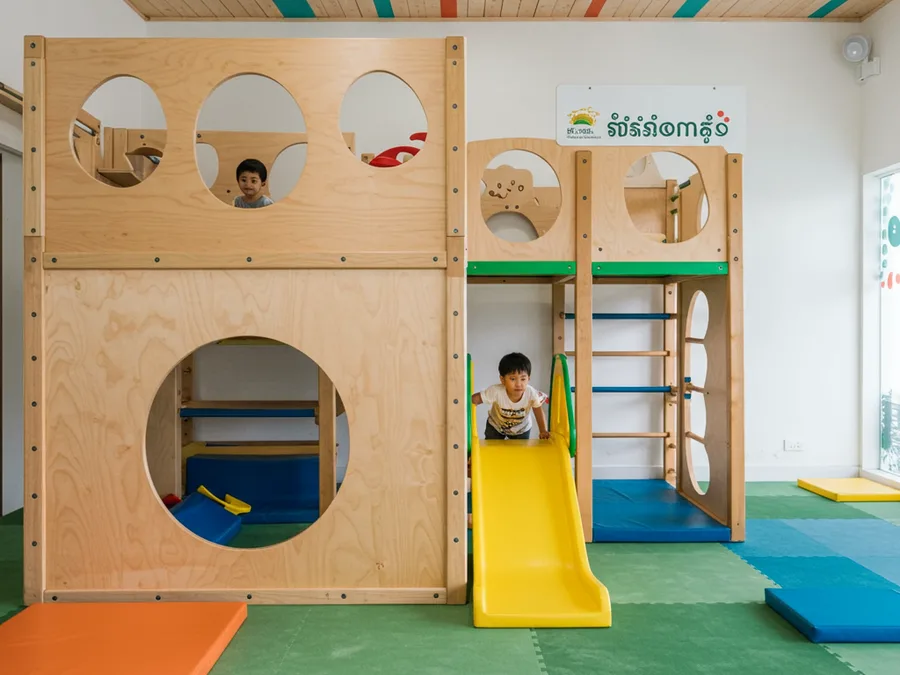
Battambang, Cambodia
Every child’s progress, written down.
Your child plays. A therapist scores the same five areas after every session. You read the chart on your phone.

Our approach
Movement first, because that is where the brain is listening.
Not intelligence. Not effort. A brain working hard to organise what the body is sending it.
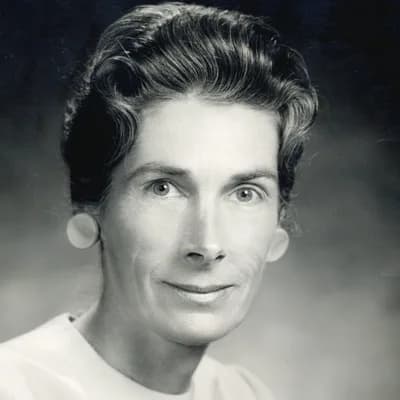
That is not our own idea — it is a theory with a name and an author.
A. Jean Ayres (1920–1988)
- The body sends the signals
Balance from the inner ear · Pressure through the joints · Touch across the skin
- The brain organises them
A better organised child can attend, wait, and try again.
- It never looks like therapy
That is the point — children work far harder at play than at exercises.
Take the tour
Five stops around the room
Follow the path. This is the room your child walks into — and the order most afternoons take.
Programs
Five ways to move
Each one feeds the brain a different signal. Most children use several.
- $6.00
- $2.50
- $2.00
Scoring, in the open
You can read the rubric before you ever visit.
125 written descriptions — one for every score, on every piece of equipment. The same rubric our therapists use, straight from the center’s records.
What a guardian sees
The therapist scores the session when it ends. The moment it is finished, it is on your phone.
With the chart come the therapist’s notes and the wording behind each score.
The team
The people who will meet your child





Visit
Come and watch a session.
Walk in and see the room. A first visit goes like this.
- We meet you both, and write down what you are hoping for.
- Your child tries the equipment. Nothing is scored on a first look.
- From the next session on, every visit is scored.
- The chart is on your phone the moment a session is scored.